如果你常在職場用英文,一定踩過這個雷:
問別人時間時,只會說 When?
但其實 When 超級模糊,對外國同事來說,他可能會心想:
👉 When 是今天?明天?星期幾?幾點?
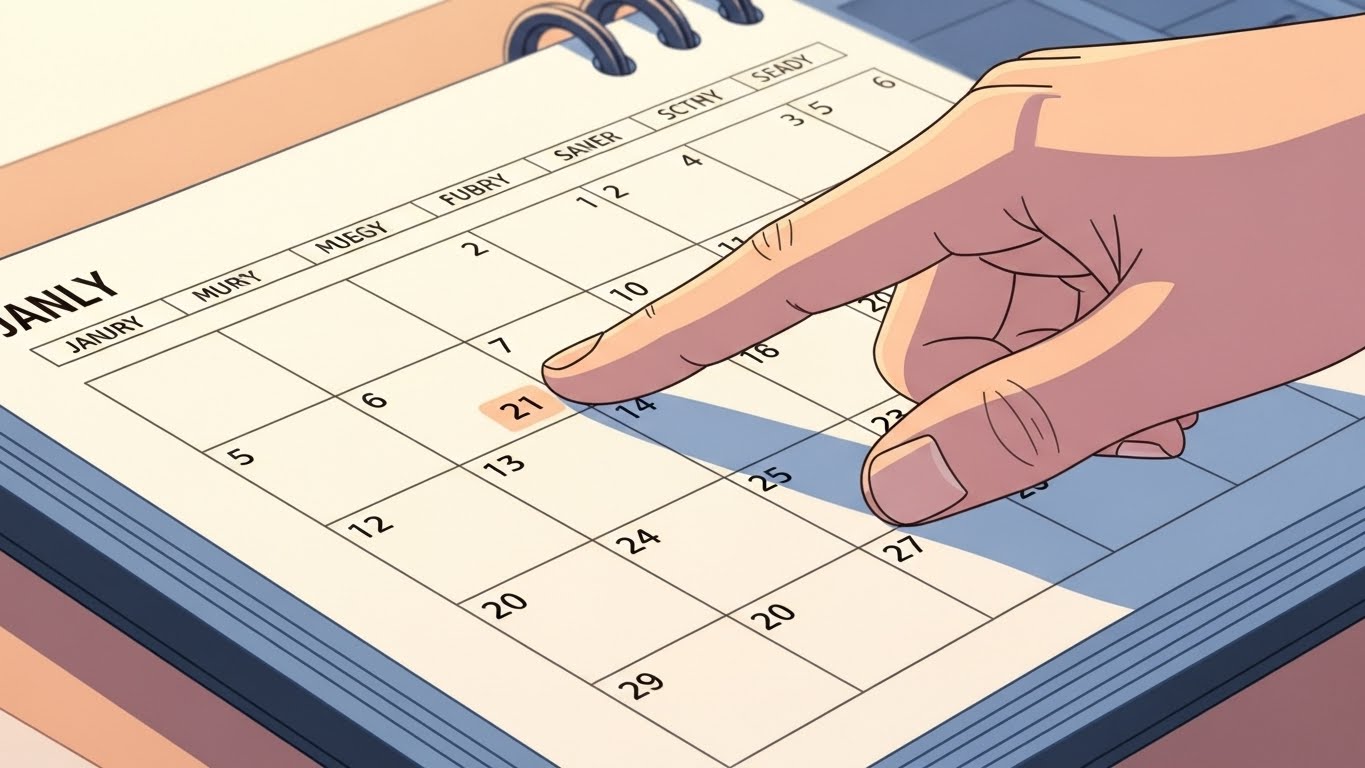
所以英文時間問法有 四個精準度層次:
- When:範圍最廣,模糊
- What day:問星期幾
- What date:問幾月幾號
- What time:最精確,幾點幾分
今天就用職場對話,帶你一次學會 ask time English。
🎧Apple Podcast | Spotify
💬 Dialogue|英文會話
📍 情境設定
兩位同事 Mia 和 Ryan 正在安排下週的專案簡報(presentation)。
需要決定週幾、日期及具體開會時間。
English Dialogue
Mia: Hey Ryan, when do you want to schedule our project meeting?
Ryan: Sometime next week works for me.
Mia: Alright, what day is good for you?
Ryan: Thursday is better.
Mia: Got it. And what date is Thursday?
Ryan: It’s March 14th.
Mia: Perfect. So what time should we start?
Ryan: How about 10:30 a.m.?
Mia: Works for me. Should we book a meeting room?
Ryan: Yes. I’ll reserve Room B.
Mia: Great. By the way, what time do you need the slides?
Ryan: If possible, send them by 9 a.m.
Mia: Sure. I’ll get them ready.
Ryan: Awesome. Thanks, Mia.
中文翻譯
Mia: Ryan,我們的專案會議什麼時候排比較好?
Ryan: 下週的某一天都可以。
Mia: 好,那星期幾比較適合你?
Ryan: 星期四比較好。
Mia: 了解,那星期四是幾號?
Ryan: 是 3 月 14 號。
Mia: 完美,那我們要幾點開始?
Ryan: 早上 10 點半如何?
Mia: 可以。要不要先訂會議室?
Ryan: 要,我會訂 B 會議室。
Mia: 好,順帶問一下,你需要簡報檔幾點前?
Ryan: 如果可以,早上 9 點前寄給我。
Mia: 沒問題,我會準備好。
Ryan: 太好了,謝啦。
📚 Vocabulary Boost|重點單字
| 單字 / 片語 | 詞性 | 中文意思 | 英文例句 | 中文翻譯 |
|---|---|---|---|---|
| when | adv. | 何時 | When is the meeting? | 會議什麼時候? |
| what day | phr. | 星期幾 | What day works for you? | 哪一天適合你? |
| what date | phr. | 幾月幾號 | What date is the presentation? | 簡報是幾號? |
| what time | phr. | 幾點 | What time should we start? | 我們幾點開始? |
| schedule | v. | 排程 | Let’s schedule the meeting today. | 我們今天排一下會議。 |
| reserve | v. | 預訂 | I’ll reserve Room B. | 我會預訂 B 會議室。 |
| slides | n. | 簡報檔 | Please send me the slides by noon. | 中午前寄我簡報檔。 |
| works for me | phr. | 我可以/沒問題 | 10 a.m. works for me. | 10 點我可以。 |
| by | prep. | 在…之前 | Send it by 9 a.m. | 9 點前寄出來。 |
| sometime next week | phr. | 下週某一天 | I’m free sometime next week. | 下週某一天我有空。 |
🔍 Sentence Patterns|句型整理
| 句型結構 | 中文意思 | 英文例句 | 中文翻譯 |
|---|---|---|---|
| When do you want to…? | 你什麼時候想…? | When do you want to schedule the meeting? | 你想什麼時候開會? |
| What day works for you? | 哪一天適合你? | What day works for you for the call? | 哪一天適合視訊? |
| What date is…? | …是幾號? | What date is the deadline? | 截止日是幾號? |
| What time should we…? | 我們幾點要…? | What time should we start? | 我們幾點開始? |
| How about + 時間? | …怎麼樣? | How about 10:30 a.m.? | 10:30 可以嗎? |
| I’ll reserve… | 我會預訂… | I’ll reserve a room. | 我會訂會議室。 |
| Do you need it by…? | 你需要…之前嗎? | Do you need it by tomorrow? | 你明天前需要嗎? |
📖 Transcript 逐字稿
M: Welcome to MJ English.
M: 歡迎來到 MJ English。
J: Today, we’re tackling something that I think everyone runs into at work: scheduling.
J: 今天我們要來處理一個、嗯,在職場幾乎每個人都會遇到的問題:排時間(行程安排)。
M: Oh, absolutely.
M: 沒錯,真的。
J: Specifically, we want to talk about how to stop asking just “when?”
J: 更具體地說,我們要談的是:不要只問一句「When(什麼時候)?」
J: It seems so simple, but it’s just incredibly vague.
J: 這看起來超簡單,但實際上超級模糊。
M: It is. That single word can really confuse your colleagues. You know, they’re left wondering, “Do you mean today, next week, what time?”
M: 沒錯。只丟一個字會讓同事一頭霧水,你知道的,他們會想:「你是指今天、下週,還是幾點?」
J: Yeah, you need to be so much more specific. So we’re going to show you how to be crystal clear.
J: 對,你需要講得更明確。所以我們會示範怎麼把話講到一清二楚。
M: But first, let’s just listen to a quick conversation between two colleagues, Mia and Ryan. They’re trying to schedule a project meeting.
M: 不過先來聽一段簡短對話,主角是兩位同事 Mia 跟 Ryan。他們正在喬一個專案會議的時間。
兩位同事 Mia 和 Ryan 正在安排下週的專案簡報(presentation)。
需要決定週幾、日期及具體開會時間。
English Dialogue
Mia: Hey Ryan, when do you want to schedule our project meeting?
Ryan: Sometime next week works for me.
Mia: Alright, what day is good for you?
Ryan: Thursday is better.
Mia: Got it. And what date is Thursday?
Ryan: It’s March 14th.
Mia: Perfect. So what time should we start?
Ryan: How about 10:30 a.m.?
Mia: Works for me. Should we book a meeting room?
Ryan: Yes. I’ll reserve Room B.
Mia: Great. By the way, what time do you need the slides?
Ryan: If possible, send them by 9 a.m.
Mia: Sure. I’ll get them ready.
Ryan: Awesome. Thanks, Mia.
中文翻譯
Mia: Ryan,我們的專案會議什麼時候排比較好?
Ryan: 下週的某一天都可以。
Mia: 好,那星期幾比較適合你?
Ryan: 星期四比較好。
Mia: 了解,那星期四是幾號?
Ryan: 是 3 月 14 號。
Mia: 完美,那我們要幾點開始?
Ryan: 早上 10 點半如何?
Mia: 可以。要不要先訂會議室?
Ryan: 要,我會訂 B 會議室。
Mia: 好,順帶問一下,你需要簡報檔幾點前?
Ryan: 如果可以,早上 9 點前寄給我。
Mia: 沒問題,我會準備好。
Ryan: 太好了,謝啦。
J: So, a pretty straightforward conversation, right?
J: 所以,這段對話其實蠻直白的,對吧?
M: Right, but it’s how they got there that’s important. Let’s look at how Mia and Ryan moved from that very vague start to a really specific plan.
M: 對,但重點是「他們怎麼走到那一步」。我們來看 Mia 和 Ryan 怎麼把一開始很模糊的對話,變成一個非常明確的計畫。
M: There were really four essential levels for asking about time, and they used all of them. This is how you avoid being ambiguous.
M: 問時間其實有四個關鍵層次,他們全都用上了。這樣就能避免講得不清不楚。
J: The first one is that big, vague question we talked about, “When?” It’s the broadest option.
J: 第一層就是我們剛說的那個很大很空的問題:「When(什麼時候)?」這是最廣泛、最不精確的問法。
M: Yeah, your colleague is just thinking, “When could possibly mean anything?”
M: 沒錯,你同事只會想:「When 可能代表任何時間吧?」
M: So Mia immediately narrows it down. Level two is asking, “What day?”
M: 所以 Mia 馬上把範圍縮小。第二層是問:「哪一天(What day)?」
J: Right. So, Monday, Tuesday, Thursday?
J: 對,比如:星期一、星期二、星期四?
M: Then she gets even more specific, which is so important. Level three, “What date?” Because just saying “Thursday” isn’t enough, is it?
M: 接著她更精確,這超重要。第三層是問:「幾號(What date)?」因為只說「星期四」其實不夠,對吧?
J: Not at all. Is it this Thursday, next Thursday? So she asks for the date, March 14th. Now there’s no confusion.
J: 一點也不夠。是這個星期四,還是下個星期四?所以她直接問日期:3 月 14 日。這樣就不會有誤會了。
M: And only then, once all of that is set, does she get to level four, the most precise question.
M: 等到前面都確認好之後,她才進到第四層、也就是最精準的提問。
J: “What time?”
J: 「幾點(What time)?」
M: “What time?” which gets them to 10:30 a.m.
M: 「幾點?」於是他們就敲定在上午 10:30。
J: And that’s the path. You go from broad to specific.
J: 路徑就是這樣:從寬到窄、由粗到細。
M: Let’s also pull out a few vocabulary points that made that conversation flow so well.
M: 我們順便把讓對話很順的幾個字抓出來講一下。
J: Yeah, there were some great words in there. We heard functional verbs like “schedule” and “reserve.”
J:裡面有幾個很棒的詞,像是功能型動詞「schedule(排程)」和「reserve(預約)」。
J: To reserve a room, for example.
J: 比方說「預約一間會議室」。
M: Exactly. And a key noun that you’ll hear all the time in the office: “slides.” You know, the presentation file.
M: 沒錯。還有辦公室超常聽到的一個關鍵名詞:「slides(投影片)」,也就是簡報檔。
J: And what about phrases? There were a couple of really useful ones.
J: 那片語呢?也有幾個超好用的。
M: “Sometime next week” is a great way to give a general time frame.
M: 「sometime next week(下週某個時間)」就是一種很好的「大概時間範圍」說法。
J: And my favorite response, which is just so efficient, “Works for me.”
J: 我最喜歡的回覆是超有效率的那句:「Works for me(我可以/可以呀)」。
M: Yes, it’s perfect. It means, “I can do that,” or “That’s no problem.” Super useful.
M: 對,超好用。意思是「我 OK」、「沒問題」,超級實用。
J: So if you’re trying to schedule things at work, there are maybe a few sentence patterns you should really try to remember.
J: 所以如果你在公司要喬時間,有幾個句型真的要背起來。
M: I’d say if you only remember three phrases, make it these. First, “What day works for you?” It’s a great, polite way to ask.
M: 我會說就算只記三句,也要這三句。第一句:「What day works for you?(哪一天你方便?)」這是很禮貌又好用的問法。
J: Not just, “What day do you want?” “Works for you” is better.
J: 不要只問「What day do you want?(你要哪一天?)」;用「works for you」會更體貼。
M: It is. It’s more collaborative.
M: 沒錯,語氣更合作、更體諒。
J: Then, to confirm, “What date is it?” Like, “What date is the deadline?”
J: 接著要確認可以用:「What date is it?(幾號?)」像是「What date is the deadline?(截止日是幾號?)」
M: And finally, for suggesting a specific time. The best way is, “How about…?” “How about 10:30 a.m.?” It’s a suggestion, not a command.
M: 最後是提出具體時間。最好的開頭是「How about…」。例如:「How about 10:30 a.m.?(早上 10:30 怎麼樣?)」這是提議,不是命令。
J: And I also liked Ryan’s action phrase at the end there.
J: 我也很喜歡 Ryan 最後那句帶行動的說法。
M: “I’ll reserve…”
M: 「I’ll reserve…(我來預約……)」
J: “I’ll reserve room B.” Yeah, it shows you’re taking the next step.
J: 「I’ll reserve room B.(我來預約 B 教室/B 會議室。)」對,這就表示你主動往下一步走了。
J: So that really covers the essentials for, you know, being precise when you’re scheduling things in the office.
J: 所以以上差不多涵蓋了在公司排時間時,如何把話說精準的重點。
M: Yeah, just knowing these four levels of “when” will dramatically improve your communication with colleagues. It cuts down on so much back and forth.
M: 對,只要掌握「When 的四個層次」,你跟同事溝通會大幅提升,也能少掉很多來回確認。
J: Want a full transcript, key vocabulary, and useful sentence patterns? Just click the link below.
J: 想要完整版逐字稿、重點單字和好用句型?直接點下面的連結。
M: Thanks for learning with us today.
M: 感謝今天跟我們一起學習。
J: See you next time.
J: 下次見啦。