
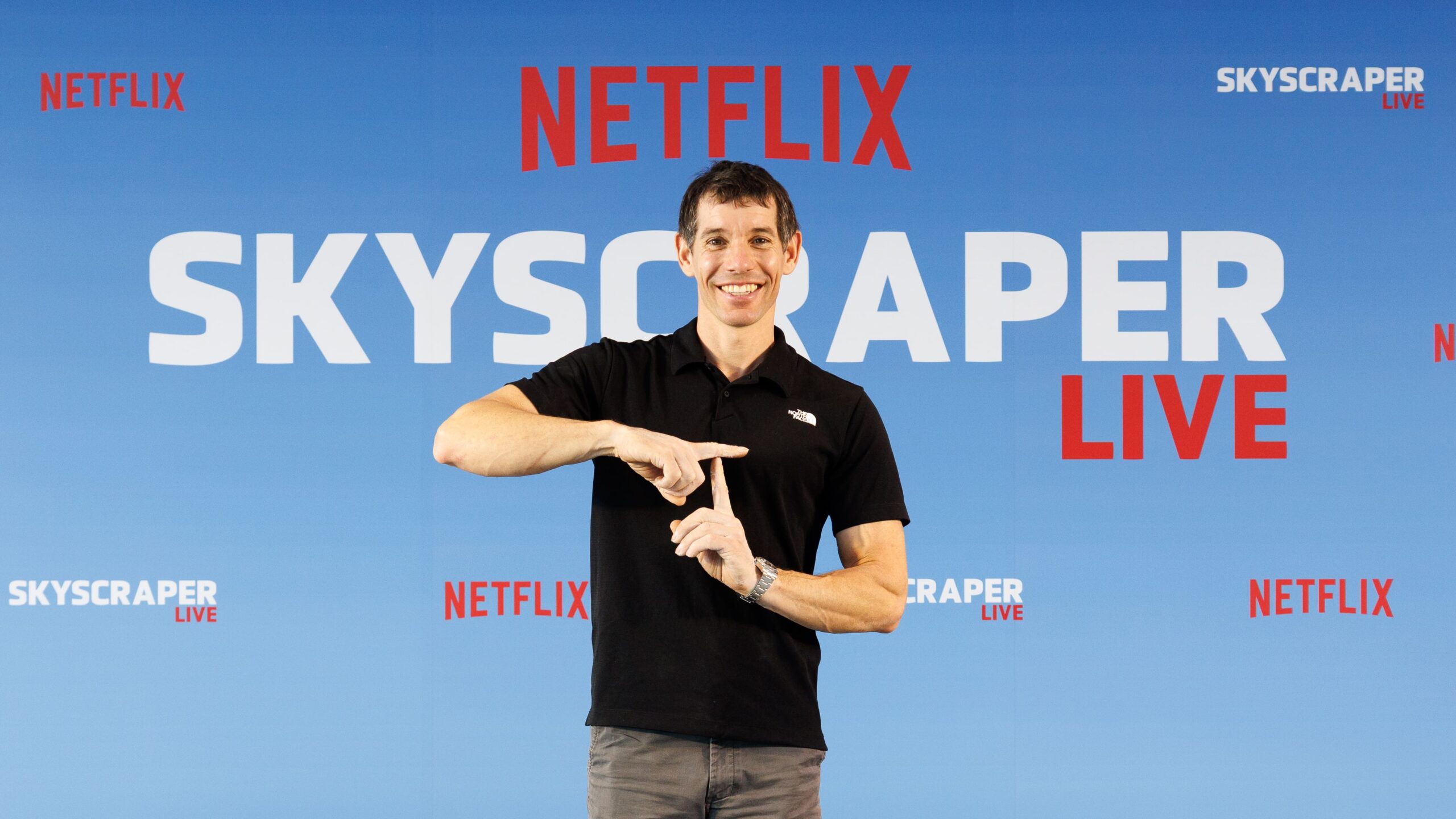
最近你是不是也被 Netflix與新聞 洗版了?
Alex Honnold 赤手攀登台北101,不只在台灣引起轟動,也讓世界再次看見台灣。
但問題來了——如果外國朋友問你這件事,你用英文講得出來嗎?
今天就用 Alex Honnold Taipei 101 English,學會用英文聊時事吧!
🎧Apple Podcast|Spotify
💬 Dialogue 會話(中英對照)
📍 場景設定
兩位在台北工作的年輕上班族,在咖啡店聊最近 Netflix 熱門話題與台北101 的極限挑戰。
▶ English Dialogue
Kevin:
Did you watch the Netflix live show about Alex Honnold climbing Taipei 101?
Mina:
Yeah, I did! I still can’t believe he climbed the whole building without any ropes.
Kevin:
Same here. The wind up there looked insane. It must have been terrifying.
Mina:
Totally. And he finished it in just about an hour and a half. That’s crazy.
Kevin:
What impressed me most was his focus. He didn’t care about the cameras at all.
Mina:
Right. He said something like, “I only care about doing each move correctly.”
Kevin:
Taipei 101 is already scary from the inside. Climbing it from the outside is on another level.
Mina:
It also made me proud. Seeing Taiwan on a global Netflix livestream was amazing.
Kevin:
Same. It’s not just a sports story. It’s kind of a cultural moment for Taiwan.
Mina:
Exactly. Now I finally know how to explain Taipei 101 to my foreign friends in English.
▶ 中文翻譯
Kevin:
你有看 Alex Honnold 爬台北101 的 Netflix 直播嗎?
Mina:
有啊!我真的不敢相信他完全沒用安全繩。
Kevin:
對啊,高空的風看起來超可怕。
Mina:
而且他只花了大概一個半小時就完成,真的太誇張。
Kevin:
我最佩服的是他的專注力,完全不在意鏡頭。
Mina:
對,他說他只在乎每一個動作有沒有做好。
Kevin:
台北101 光是在裡面就很嚇人了,外牆根本是另一個世界。
Mina:
而且看到台灣在 Netflix 全球直播,真的很感動。
Kevin:
沒錯,這不只是運動新聞,某種程度也是台灣的高光時刻。
Mina:
對啊,現在我終於知道怎麼用英文介紹台北101 了。
📚 Vocabulary Boost 重點單字
| 單字 | 詞性 | 中文意思 | 英文例句 | 中文翻譯 |
|---|---|---|---|---|
| without ropes | 片語 | 無安全繩 | He climbed the building without ropes. | 他沒有用安全繩攀爬 |
| terrifying | 形容詞 | 可怕的 | The height was terrifying. | 那個高度非常可怕 |
| insane | 形容詞 | 瘋狂的 | The wind looked insane. | 風看起來很誇張 |
| focus | 名詞 | 專注 | His focus was impressive. | 他的專注力很驚人 |
| livestream | 名詞 | 直播 | Millions watched the livestream. | 數百萬人看了直播 |
| global | 形容詞 | 全球的 | It became a global event. | 這成為全球事件 |
| cultural moment | 片語 | 高光時刻(極具代表性的時刻) | It was a cultural moment for Taiwan. | 這是台灣的高光時刻 |
| on another level | 片語 | 完全不同等級 | This challenge was on another level. | 這個挑戰是另一個等級 |
| impressed | 動詞 | 讓人印象深刻 | I was really impressed. | 我真的很佩服 |
| documentary | 名詞 | 紀錄片 | Netflix released a documentary. | Netflix 推出了紀錄片 |
🔍 Sentence Patterns 重點句型
| 句型結構 | 中文意思 | 英文例句 | 中文翻譯 |
|---|---|---|---|
| I can’t believe + clause | 我無法相信 | I can’t believe he did it. | 我不敢相信他做到了 |
| What impressed me most was… | 最讓我佩服的是 | What impressed me most was his focus. | 最讓我佩服的是他的專注 |
| It’s not just A, it’s B | 不只是A,而是B | It’s not just sports, it’s culture. | 不只是運動,也是文化 |
| on another level | 完全不同層級 | That skill is on another level. | 那技巧是不同層級 |
| It made me feel… | 讓我感到 | It made me feel proud. | 讓我感到驕傲 |
📖 Transcript 逐字稿
M: I have to be honest, my palms are… they’re still sweating.
M:老實說,我的手心現在還是……還在冒汗。
J: From watching the climb?
J:是因為看那個攀爬畫面嗎?
M: Yeah. I mean, just seeing that guy in the red shirt clinging to the side of Taipei 101, even on a screen.
M:對啊。我的意思是,就算只是從螢幕上看到那個穿紅色衣服的人,緊貼在台北 101 外牆上。
J: It was definitely heart-stopping.
J:那畫面真的讓人心臟都要停了。
M: I get dizzy standing on a kitchen stool, so, you know, watching Alex Honnold hang off a skyscraper with just his fingertips… I nearly passed out.
M:我連站在廚房的小凳子上都會頭暈了,所以你知道,看 Alex Honnold 只靠指尖吊在摩天大樓外牆上……我,呃,我真的差點昏倒。
J: You and millions of other people, I think. But beyond the, uh, the pure adrenaline, it’s a gold mine for learning language.
J:我想不只你,還有好幾百萬人也是。不過,除了那種純粹的腎上腺素刺激之外,這其實也是一座語言學習的金礦。
M: That is exactly what we’re doing. Welcome everyone to MJ English. This is the show where we help you learn real conversation skills through, you know, just casual chat.
M:這正是我們今天要做的事情。歡迎大家來到 MJ English,這是一個透過輕鬆聊天,幫助你學習真實對話技巧的節目。
J: And today we’re looking at the event that everyone is talking about.
J:而今天,我們要來聊的,就是現在所有人都在討論的那個事件。
M: The viral Netflix live stream of Alex Honnold free soloing Taipei 101. And “free soloing” just means climbing with no ropes.
M:Netflix 上爆紅的直播畫面——Alex Honnold 無繩攀登台北 101。而「free soloing」的意思就是完全不使用任何繩索的攀岩。
J: Which is wild.
J:這真的太瘋狂了。
M: But it’s perfect for us. You get all this extreme sports language mixed with everyday ways of expressing shock.
M:但對我們來說剛剛好,因為你可以一次學到極限運動的用語,還有日常生活中表達震驚的說法。
J: So let’s get into it. We’re going to listen to a short chat between two friends, Kevin and Mina. They’re in a coffee shop, just talking about the climb.
J:那我們就直接進入主題吧。我們要來聽一段對話,是兩個朋友 Kevin 和 Mina,在咖啡店裡聊這次攀登。
兩位在台北工作的年輕上班族,在咖啡店聊最近 Netflix 熱門話題與台北101 的極限挑戰。
▶ English Dialogue
Kevin:
Did you watch the Netflix live show about Alex Honnold climbing Taipei 101?
Mina:
Yeah, I did! I still can’t believe he climbed the whole building without any ropes.
Kevin:
Same here. The wind up there looked insane. It must have been terrifying.
Mina:
Totally. And he finished it in just about an hour and a half. That’s crazy.
Kevin:
What impressed me most was his focus. He didn’t care about the cameras at all.
Mina:
Right. He said something like, “I only care about doing each move correctly.”
Kevin:
Taipei 101 is already scary from the inside. Climbing it from the outside is on another level.
Mina:
It also made me proud. Seeing Taiwan on a global Netflix livestream was amazing.
Kevin:
Same. It’s not just a sports story. It’s kind of a cultural moment for Taiwan.
Mina:
Exactly. Now I finally know how to explain Taipei 101 to my foreign friends in English.
▶ 中文翻譯
Kevin:
你有看 Alex Honnold 爬台北101 的 Netflix 直播嗎?
Mina:
有啊!我真的不敢相信他完全沒用安全繩。
Kevin:
對啊,高空的風看起來超可怕。
Mina:
而且他只花了大概一個半小時就完成,真的太誇張。
Kevin:
我最佩服的是他的專注力,完全不在意鏡頭。
Mina:
對,他說他只在乎每一個動作有沒有做好。
Kevin:
台北101 光是在裡面就很嚇人了,外牆根本是另一個世界。
Mina:
而且看到台灣在 Netflix 全球直播,真的很感動。
Kevin:
沒錯,這不只是運動新聞,某種程度也是台灣的高光時刻。
Mina:
對啊,現在我終於知道怎麼用英文介紹台北101 了。
J: Okay, let’s pause there. There is so much to unpack in that short conversation.
J:好,我們先在這裡暫停一下。那段短短的對話裡,其實有非常多東西可以拆解。
M: For sure. The first thing is just the emotional words they use. They didn’t just say “it was scary.”
M:沒錯。第一個重點就是他們用的情緒形容詞,他們沒有只是說「那很可怕」。
M: Kevin used the word “insane” to talk about the wind. And “insane” is a great word, but for learners, you know, just be a little careful.
M:Kevin 用了「insane」來形容風勢。「insane」這個字很棒,但對學習者來說,要稍微小心一點。
J: Because it doesn’t mean what it technically means.
J:因為它在這裡的意思,跟字典上的原意不一樣。
M: Technically, it means, you know, mentally ill. But here, in conversation, it’s just a way to say the conditions were wild or intense.
M:嚴格來說,它指的是精神失常,但在口語中,只是用來形容情況非常誇張、非常激烈。
J: And he paired that with “terrifying,” which is just, you know, extreme fear.
J:而且他還搭配用了「terrifying」,那就是在形容極度的恐懼。
M: Right. But then they pivot to the climber’s mindset. The key word there was “focus.”
M:對。但接著他們把話題轉到攀岩者的心理狀態,關鍵字就是「focus」。
M: And in this context, “focus” isn’t just, like, paying attention. It’s the ability to block out everything else—the cameras, the live stream, the danger—and just concentrate on the next move.
M:而在這個情境下,「focus」不只是專心而已,而是能夠排除一切干擾——攝影機、直播、危險——只專注在下一個動作上。
J: It’s a great word for describing, uh, grace under pressure.
J:這個字非常適合用來形容在高壓下仍然保持從容。
M: Then Mina used a phrase that I hear all the time: “on another level.”
M:接著 Mina 用了一個我常常聽到的片語:「on another level」。
J: Yes. Such a useful idiom. It’s about comparing two things that are in completely different categories of difficulty.
J:對,這是一個非常實用的慣用語,用來比較兩件完全不在同一個難度層級的事情。
M: So being inside the building is scary, but climbing the outside…
M:所以在大樓裡面已經很可怕了,但爬到外牆……
J: Is on another level.
J:那就是另一個等級了。
M: Yeah. And you can use this for anything. “Her presentation wasn’t just good; it was on another level.”
M:沒錯。這個用法可以套用在任何事情上,比如說:「她的簡報不只是好而已,是另一個層次。」
J: Then they shift the whole conversation with that one phrase: “cultural moment.”
J:接著,他們用一句話徹底轉換了整個對話方向:「高光時刻」(極具代表性的時刻)。
M: And that elevates the whole discussion. It stops being about one guy on a wall.
M:這讓整個討論層次瞬間拉高,不再只是某個人爬牆而已。
J: And it becomes about Taiwan being seen on a global stage.
J:而是關於台灣被世界看見。
M: So if you tell a friend, “This was a cultural moment,” you’re explaining that it brought this sort of shared pride and visibility to the country.
M:所以當你跟朋友說「這是一個高光時刻」,意思就是它為整個國家帶來了一種共同的驕傲感和國際能見度。
J: It definitely makes you sound more thoughtful than just saying, “It was a cool climb.”
J:這絕對會讓你聽起來比只說「那個攀爬很酷」還要有深度。
J: Let’s talk about the sentence structures. Kevin and Mina used a few patterns that are like instant upgrades for any English learner.
J:接下來我們來聊句型。Kevin 和 Mina 用了幾個句型,對任何英文學習者來說,都是立即升級的關鍵。
M: The first one is that “I can’t believe…” structure.
M:第一個是「I can’t believe…」這個結構。
J: “I can’t believe he climbed the whole building.”
J:「我真不敢相信他爬完整棟大樓。」
M: It’s just the go-to phrase for expressing shock. You just say “I can’t believe” and then you add the thing that shocked you. Simple.
M:這就是表達震驚的萬用句型,只要說「I can’t believe」,後面接讓你震驚的事情就好,很簡單。
J: And the second one: “What impressed me most was…” That feels a bit more structured.
J:第二個是:「What impressed me most was…」,聽起來比較有結構。
M: It is, but it’s really common. It’s a great way to emphasize one specific detail instead of just saying “I liked his focus,” which is fine.
M:沒錯,但它其實很常用,是一個強調某個細節的好方法,而不是只說「我喜歡他的專注力」,雖然那樣也可以。
J: Right, it’s a bit basic.
J:對,那樣有點太基本。
M: Saying “What impressed me most was his focus” really shines a spotlight on that one quality. It tells your listener that you’ve thought about it a bit more deeply.
M:說「What impressed me most was his focus」會把聚光燈打在那個特質上,讓聽的人知道你是有稍微思考過的。
J: And the last one, the expansion pattern: “It’s not just A, it’s B.”
J:最後一個是擴充型句型:「It’s not just A, it’s B。」
M: “It’s not just a sports story; it’s a cultural moment.”
M:「這不只是一個運動故事,而是一個高光時刻。」
J: This is perfect for correcting someone or expanding an idea without being rude. You acknowledge the first part—”it’s sports, yeah”—but then you pivot to what you think is the more important point. It adds a lot of weight to your opinion.
J:這個句型非常適合在不失禮的情況下修正或延伸別人的看法。你先承認前半段「對,是運動」,然後再轉到你認為更重要的觀點,讓你的意見更有份量。
M: So if you combine all these things—the vocabulary like “insane” and “on another level” with these sentence patterns…
M:所以如果你把這些單字,像是「insane」、「on another level」,再加上這些句型結合起來……
J: You move from just describing something to actually offering commentary on it.
J:你就能從單純描述一件事,進階到真正對它做出評論。
M: What’s the full transcript, key vocabulary, and useful sentence patterns? Just click the link below.
M:想要完整逐字稿、重點單字和實用句型的話,請點擊下方連結。
J: Thanks for listening. Go practice!
J:感謝收聽,快去練習吧!
M: See you next time.
M:我們下次見。