
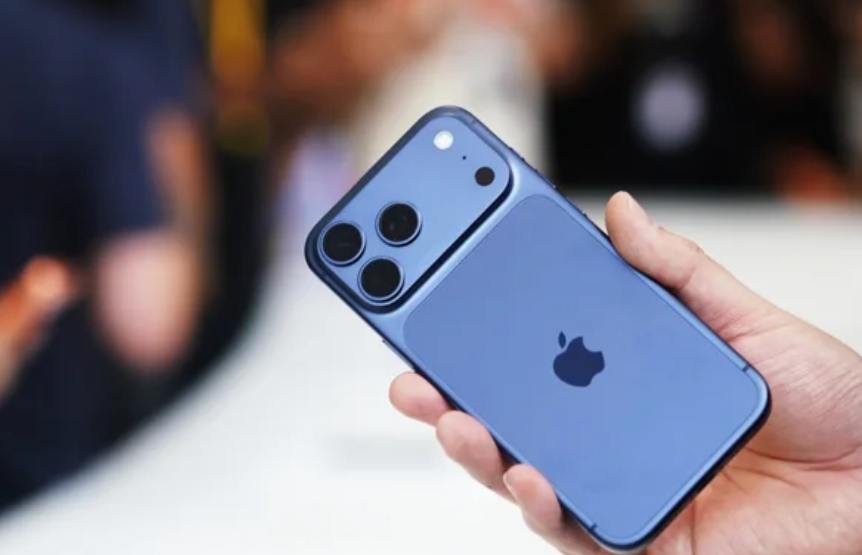
iPhone 17 好貴!
每次 Apple 新機上市,台灣總會被拿來跟美國、日本、香港價格比較,結果大家都在抱怨「為什麼我們比較貴?」。如果你想用英文跟朋友聊這個話題,就一定要學會 iPhone 17 English:怎麼抱怨、怎麼比較、怎麼表達猶豫要不要買。今天就用真實對話來學!
🎧Apple Podcast | Spotify
💬 Dialogue | 會話
場景:兩個同學 Ken和 Anna在逛手機專賣店,聊到 iPhone 17 的價格。
英文對話
Ken: Hey Anna, have you checked the price of the new iPhone 17 in Taiwan?
Anna: Yeah, it’s really expensive here!
Ken: I know, right? It’s almost 20% more than in the US.
Anna: That’s crazy. Did you see the price tag in Japan?
Ken: Yeah, it’s cheaper there. Sometimes people even travel just to buy one.
Anna: I get it. The new camera upgrade and battery life are amazing, though.
Ken: True, but I’m not sure it’s worth the money.
Anna: Are you thinking of buying it?
Ken: I might wait for the promotion or maybe the iPhone 18.
Anna: Good idea. Some people like to pre-order, but I prefer waiting.
Ken: Same here. Spending so much makes me feel broke.
Anna: (laughs) Don’t worry, you’re not alone!
中文
Ken:Anna,你有看在台灣 iPhone 17 的價格嗎?
Anna:有啊,這裡真的好貴!
Ken:對吧?比美國幾乎貴了 20%。
Anna:太誇張了。你有看到日本的售價嗎?
Ken:有,比較便宜。有人甚至會特地去日本買。
Anna:我懂啦,不過這次相機升級和電池續航真的很強。
Ken:沒錯,但我不確定值不值得這個價錢。
Anna:你打算買嗎?
Ken:我可能會等促銷,或乾脆等 iPhone 18。
Anna:好主意。有些人會預購,但我比較喜歡等。
Ken:我也是。花這麼多錢感覺荷包大失血。
Anna:(笑)別擔心,你不是一個人啦!
📚 Vocabulary Boost 重點單字
| 單字 / 片語 | 詞性 | 中文意思 | 英文例句 | 中文翻譯 |
|---|---|---|---|---|
| expensive | adj. | 昂貴的 | The iPhone 17 is really expensive in Taiwan. | iPhone 17 在台灣真的很貴。 |
| price tag | n. | 價格標籤 / 價格 | Did you see the price tag in Japan? | 你有看到日本的價格嗎? |
| camera upgrade | n. phr. | 相機升級 | The new camera upgrade is impressive. | 新的相機升級令人印象深刻。 |
| battery life | n. phr. | 電池續航 | Longer battery life is a big advantage. | 更長的電池續航是一大優勢。 |
| promotion | n. | 促銷 | I’ll wait for a promotion to buy it. | 我會等促銷再買。 |
| pre-order | v. | 預購 | Many fans pre-order the iPhone online. | 很多粉絲會在網上預購 iPhone。 |
| broke | adj. | 身無分文的(口語) | I can’t buy it, I’m totally broke. | 我買不起,完全沒錢了。 |
| worth the money | phr. | 值得這個價錢 | I’m not sure if it’s worth the money. | 我不確定值不值得這個價錢。 |
🔍 Sentence Patterns 重點句型
| 句型 | 中文意思 | 英文例句 | 中文翻譯 |
|---|---|---|---|
| It’s … to … | 做…很… | It’s expensive to buy an iPhone 17 in Taiwan. | 在台灣買 iPhone 17 很貴。 |
| … is more … than … | …比…更… | The iPhone 17 is more expensive than in the US. | iPhone 17 在台灣比美國更貴。 |
| I’m not sure if… | 我不確定是否… | I’m not sure if it’s worth the money. | 我不確定它值不值得。 |
| I prefer … instead of … | 我比較喜歡…而不是… | I prefer waiting instead of pre-ordering. | 我比較喜歡等,而不是預購。 |
| … makes me feel … | …讓我覺得… | Spending so much makes me feel broke. | 花這麼多錢讓我覺得破產。 |
| Some people …, but I … | 有些人…,但我… | Some people pre-order, but I prefer waiting. | 有些人會預購,但我比較喜歡等。 |
📖 Transcript 逐字稿
J: Hey everyone! So,iPhone 17 is about to come out. Have you thought about upgrading?
嗨大家!嗯,iPhone 17 就要出了,你有想過要換嗎?
M: That’s the big question, right? Are you sticking with your old phone or jumping on the new one?
對啊,這就是大問題啊。你是要繼續用舊手機,還是要跳上新款呢?
J:Honestly, it’s what everyone’s talking about—the price, the features, whether it’s actually worth it.
老實說,這就是大家在討論的話題——價格、功能,還有到底值不值得。
M: And that’s what we’re diving into today—how to chat about the cost of gadgets in English, you know, naturally, like in real conversations.
今天我們要探討的就是這個——如何用英文自然地聊電子產品的價格,就像真實對話一樣。
J: Right. We’ll use the new iPhone 17 as our example, but really, the vocabulary and sentence patterns work for any new gadget.
對。我們會以 iPhone 17 為例,但其實這些單字和句型適用於任何新產品。
M: So by the end, you’ll be able to say more than just “It’s expensive.” You’ll be able to compare, complain, and decide if it’s, uh, worth the money.
所以聽完之後,你就不只會說「It’s expensive」,你還能比較、抱怨,甚至判斷某東西值不值得。
J: Sounds good?
聽起來不錯吧?
M: Let’s do it.
那我們開始吧。
M: So, to get us started, we’ve got this little dialogue between two students. Ken is from Taiwan, and Anna is an American exchange student.
一開始,我們有一段小對話。Ken 是來自台灣的學生,Anna 是美國的交換生。
J: And they’re in a phone store looking around.
他們正在一家手機店裡逛。
Ken和 Anna 在逛手機專賣店,聊到 iPhone 17 的價格。
英文
Ken: Hey Anna, have you checked the price of the new iPhone 17 in Taiwan?
Anna: Yeah, it’s really expensive here!
Ken: I know, right? It’s almost 20% more than in the US.
Anna: That’s crazy. Did you see the price tag in Japan?
Ken: Yeah, it’s cheaper there. Sometimes people even travel just to buy one.
Anna: I get it. The new camera upgrade and battery life are amazing, though.
Ken: True, but I’m not sure it’s worth the money.
Anna: Are you thinking of buying it?
Ken: I might wait for the promotion or maybe the iPhone 18.
Anna: Good idea. Some people like to pre-order, but I prefer waiting.
Ken: Same here. Spending so much makes me feel broke.
Anna: (laughs) Don’t worry, you’re not alone!
中文
Ken:Anna,你有看在台灣 iPhone 17 的價格嗎?
Anna:有啊,這裡真的好貴!
Ken:對吧?比美國幾乎貴了 20%。
Anna:太誇張了。你有看到日本的售價嗎?
Ken:有,比較便宜。有人甚至會特地去日本買。
Anna:我懂啦,不過這次相機升級和電池續航真的很強。
Ken:沒錯,但我不確定值不值得這個價錢。
Anna:你打算買嗎?
Ken:我可能會等促銷,或乾脆等 iPhone 18。
Anna:好主意。有些人會預購,但我比較喜歡等。
Ken:我也是。花這麼多錢感覺荷包大失血。
Anna:(笑)別擔心,你不是一個人啦!
J: Ken and Anna are doing things people always do.
Ken 和 Anna 說的就是大家平常會做的事。
J: Complaining a bit about the price,
稍微抱怨一下價格,
M: Comparing it across countries,
拿不同國家的價格來比較,
J: And that whole debate about “Is it really worth the money?” It’s a perfect way to jump into some useful English.
對,還有「到底值不值得」的討論。這就是一個很好的切入點來學一些實用英文。
M: Let’s pull out some of that useful stuff—a quick vocabulary boost.
那我們來整理一下剛剛出現的實用單字吧。
M: First one that jumped out: expensive. Ken says, “It’s really expensive here.” Just a clear, direct adjective.
好,第一個單字是 expensive(昂貴)。Ken 說 “It’s really expensive here.” 這是一個很直接明確的形容詞。
J: And Anna mentions the price tag in Japan. That can mean the actual label—
然後 Anna 提到日本的 price tag(價籤)。這可以指實際的標籤──
M: Or just the cost itself. Like, “Wow, look at the price tag on that.”
或者單純指價格本身。像是 “Wow, look at the price tag on that.”(哇,看看那個價錢)。
J: But you know, it’s not just about the price, is it? People immediately start weighing the features.
但你知道,話題不只是價格而已,對吧?人們馬上就會開始評估功能。
M: Good point. Like Anna mentioned the camera upgrade.
說得好。就像 Anna 提到的 camera upgrade(相機升級)。
J: And the battery life. Those are huge selling points for phones. So camera upgrade, battery life—really common noun phrases you’ll hear.
還有 battery life(電池續航)。這些都是手機的重要賣點。所以 camera upgrade、battery life 這類名詞片語很常聽到。
M: Got it. And then, thinking about how to buy, Ken talks about waiting for a promotion.
了解。然後在購買方式上,Ken 提到要等 promotion(促銷)。
J: Which is just, you know, a special offer, a discount. Smart move sometimes.
意思就是特價或折扣。有時候這是個聰明的選擇。
M: Or, if you’re really eager, Anna mentioned some people pre-order.
或者,如果你真的很急,Anna 說有些人會 pre-order(預購)。
J: That’s the verb, to order before release.
這是一個動詞,意思是「在正式發售前就先訂購」。
M: Right.
沒錯。
J: Lots of tech fans do that online.
很多科技迷會在網路上這樣做。
M: And then, back to Ken’s feeling—broke.
接著回到 Ken 的感受──broke(身無分文)。
J: Yeah.
對。
M: That’s a really common informal adjective.
這是一個很常見的非正式形容詞。
J: Very casual. It just means you feel like you have no money, even if it’s temporary. Like, “I can’t go out tonight. I’m totally broke after buying that.”
對,非常口語。意思是你覺得沒錢了,即使只是暫時的。像是:“I can’t go out tonight. I’m totally broke after buying that.”(今晚不能出門了,買完那個我完全破產了)。
M: I know that feeling. And probably the most important phrase here: worth the money.
我懂那種感覺。而這裡最重要的片語大概是:worth the money(值得)。
J: “I’m not sure if it’s worth the money.”
“I’m not sure if it’s worth the money.”(我不確定這東西值不值得)。
M: That’s crucial. It’s about value—does the benefit justify the cost for you?
這非常重要,因為它談的是「價值」──對你來說,效益是否足以支撐價格。
J: It’s subjective, isn’t it?
這是主觀的,對吧?
M: Totally subjective. It’s not just calculation, it’s about your personal feeling and needs.
完全是主觀的。不只是計算,還包含你的感受和需求。
M: So that’s some key vocabulary. But how do we string these ideas together naturally in sentences?
這些就是關鍵單字。但要怎麼把它們自然地組合進句子呢?
J: Well, Ken and Anna actually used some really simple but really powerful sentence patterns. Things you can adapt easily.
其實 Ken 和 Anna 用到的句型很簡單,但是,嗯,非常實用,而且很好套用。
M: Okay, like what?
好,像是哪些?
J: Well, there’s “It’s + adjective + to + verb.” Like, “It’s expensive to buy an iPhone here.”
比如 “It’s + 形容詞 + to + 動詞”。像是:“It’s expensive to buy an iPhone here.”(在這裡買 iPhone 很貴)。
J: And for comparing, the classic: “The iPhone is more expensive in Taiwan than in the US.”
至於比較的句型,經典的是:“The iPhone is more expensive in Taiwan than in the US.”(iPhone 在台灣比在美國貴)。
M: Simple comparison.
簡單的比較句。
J: And when you’re feeling unsure, like Ken?
那如果像 Ken 一樣不確定的時候呢?
M: “I’m not sure if…” Like, “I’m not sure if it’s worth the money,” or “I’m not sure if I should wait.”
啊,就是 “I’m not sure if…”。例如:“I’m not sure if it’s worth the money”(我不確定它值不值得),或者 “I’m not sure if I should wait.”(我不確定是不是該等一等)。
J: Great for expressing doubt. And Anna stated her preference clearly using…
這很適合表達疑慮。而 Anna 清楚地表達了她的偏好,用的是……
M: “I prefer…”
“I prefer…”(我比較喜歡……)。
J: “I prefer waiting instead of pre-ordering.” Clear choice.
“I prefer waiting instead of pre-ordering.”(我寧願等,不想預購)。很明確的選擇。
M: And that emotional reaction pattern Ken used?
那 Ken 用到的情緒表達句型呢?
J: “…makes me feel…”
就是 “…makes me feel…”(讓我覺得……)。
M: “Spending so much makes me feel broke.” You can use that for lots of feelings—“This makes me feel happy.” “That makes me feel stressed.”
像是:“Spending so much makes me feel broke.”(花這麼多讓我覺得破產)。這個句型可以套用很多情緒:“This makes me feel happy.”(這讓我覺得開心)、“That makes me feel stressed.”(那讓我覺得壓力很大)。
M: And one last one for showing contrast.
最後一個是用來表達對比。
J: “Some people…, but I…” For example, “Some people pre-order, but I prefer waiting.” Good for showing your habit is different.
就是 “Some people…, but I…”(有些人……,但我……)。例如:“Some people pre-order, but I prefer waiting.”(有些人會預購,但我寧願等)。很適合用來表示自己的習慣不同。
M: And you see how flexible these are? They’re like building blocks.
你看這些句型多靈活,就像積木一樣。
J: You can swap words in and out depending on the situation.
對,你可以根據情境更換裡面的詞。
M: Whether it’s a phone, a car, a holiday—these patterns help you compare, state preference, express doubt, talk about feelings.
不管是手機、汽車,還是旅遊,這些句型都能幫你比較、表達偏好、說出疑慮或感受。
J: It lets you say more than just, “It costs this much.”
它讓你不只是說「它要多少錢」。
M: It helps you explain your reasons and feelings.
對,它幫助你解釋理由和感受。
J: That’s the key—moving beyond just facts to expressing your perspective.
這就是關鍵──不只是陳述事實,而是表達你的觀點。
M: So, putting it all together—
那麼,把這些全部串起來──
M: You’ve now got a solid toolkit, really. You’ve heard a real dialogue. You’ve got key vocabulary like expensive, promotion, worth the money.
你現在真的已經有了一套完整的工具包。你聽過一段真實對話,學到像 expensive(昂貴)、promotion(促銷)、worth the money(值得)這些關鍵單字。
J: And these adaptable sentence patterns like “I’m not sure if…” or “I prefer…instead of.”
還有這些可以靈活應用的句型,例如 “I’m not sure if…”(我不確定是否……)、“I prefer…instead of.”(我寧願……而不是……)。
M: So you’re really equipped now to jump into these kinds of conversations yourself, not just listen.
所以你已經準備好不只是聽,還能自己參與這類對話了。
J: And remember, using them is how they really stick. Think about how these structures help you explain why you feel a certain way about a purchase.
記住,真正能記住的方法就是實際使用。想一想,這些句型怎麼幫助你解釋,為什麼你對一個購買有某種感覺。
M: That’s a great point.
這是一個很重要的提醒。
J: So, here’s something to think about until our next MJ English session.
所以,這裡給大家一個思考的小作業,等到下一集 MJ English 再見。
J: The next time you’re looking at something new—maybe a gadget, maybe even just a service or an experience—how could you use these phrases and patterns we talked about today?
下次當你看到一個新東西──可能是電子產品,也可能是某個服務或體驗──你要怎麼運用今天學到的片語和句型呢?
M: How would you articulate your thoughts on whether it’s truly worth the money for you?
你會怎麼清楚地表達,這東西對你來說到底值不值得?
J: Something to mull over. We’ll catch you next time.
這是一個值得思考的問題。我們下次再見。
M: Bye for now.
先這樣囉,掰掰。
✅ Quick Check 小測驗
📌 延伸閱讀建議
- 【科技英文】iPhone 17 發表會重點英文表達
- 【生活英文】買手機要會的 10 個英文單字
- 【商務英文】如何用英文討論產品價格與價值